How Municipal Utility Districts finance new communities in Texas
MUDs pay for the water, wastewater, and drainage infrastructure that makes new neighborhoods possible. Here is how they work and why they matter to developers and investors.
- Author
- Tim Ryan, Founder and Principal
- Published
- Reading time
- 7 min read
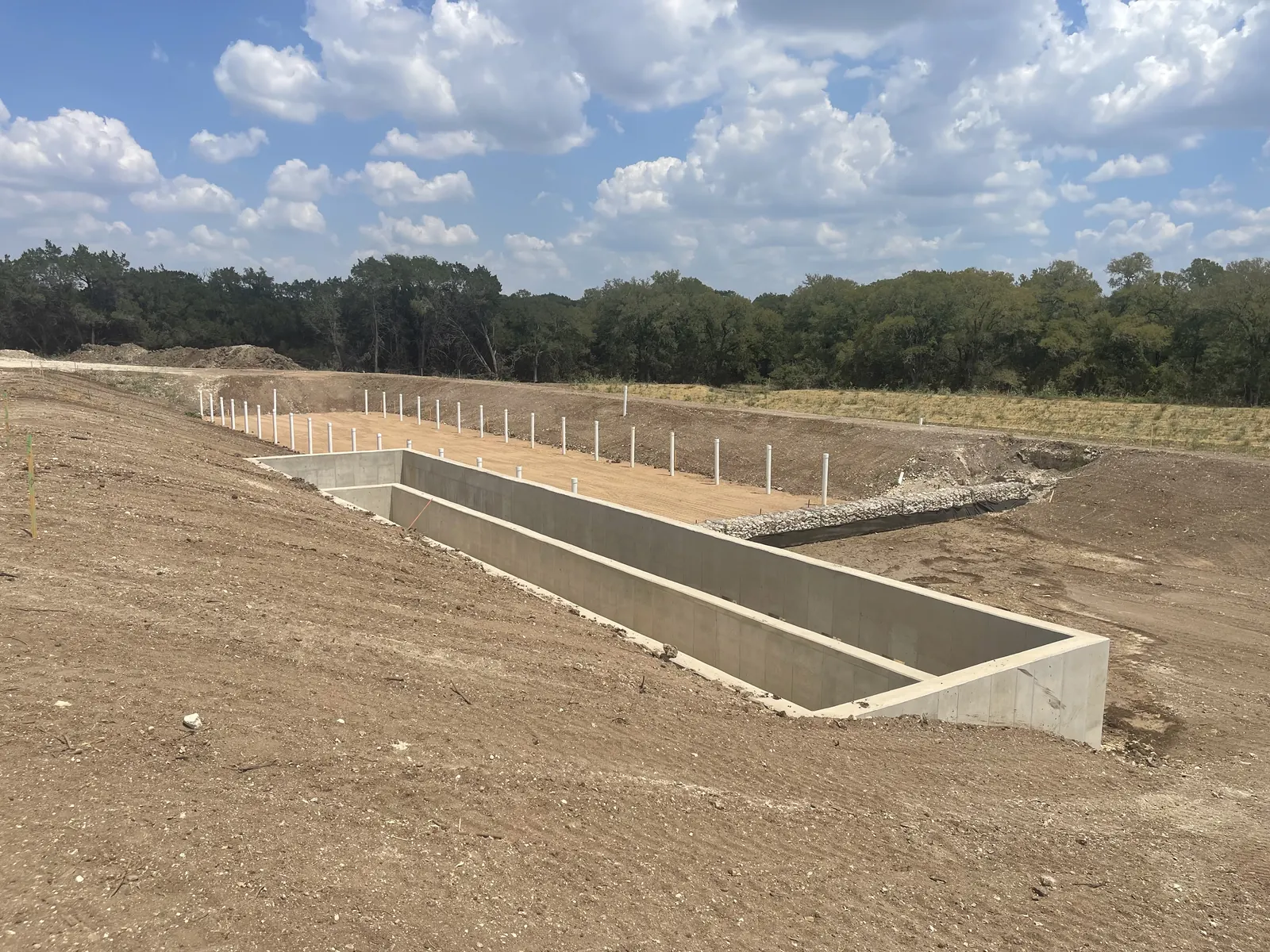
Much of the growth along the Austin-San Antonio corridor happens outside city limits or beyond the reach of existing utility systems. Extending water, wastewater, and drainage infrastructure to those areas costs tens of millions of dollars before the first home is sold. In Texas, Municipal Utility Districts are the primary tool for financing that infrastructure, and they shape how land development is structured and underwritten.
What a MUD is
A Municipal Utility District is a political subdivision of the State of Texas, authorized by the Texas Constitution and governed primarily by Chapters 49 and 54 of the Texas Water Code. Districts are created either by the Texas Commission on Environmental Quality or by the Legislature, and each is governed by a board of directors elected by the voters who live within its boundaries.
A district can provide water, wastewater, drainage, and in some cases roads, parks, and other services. It has the power to levy property taxes, charge for utility service, and issue bonds with voter approval.
How the financing works
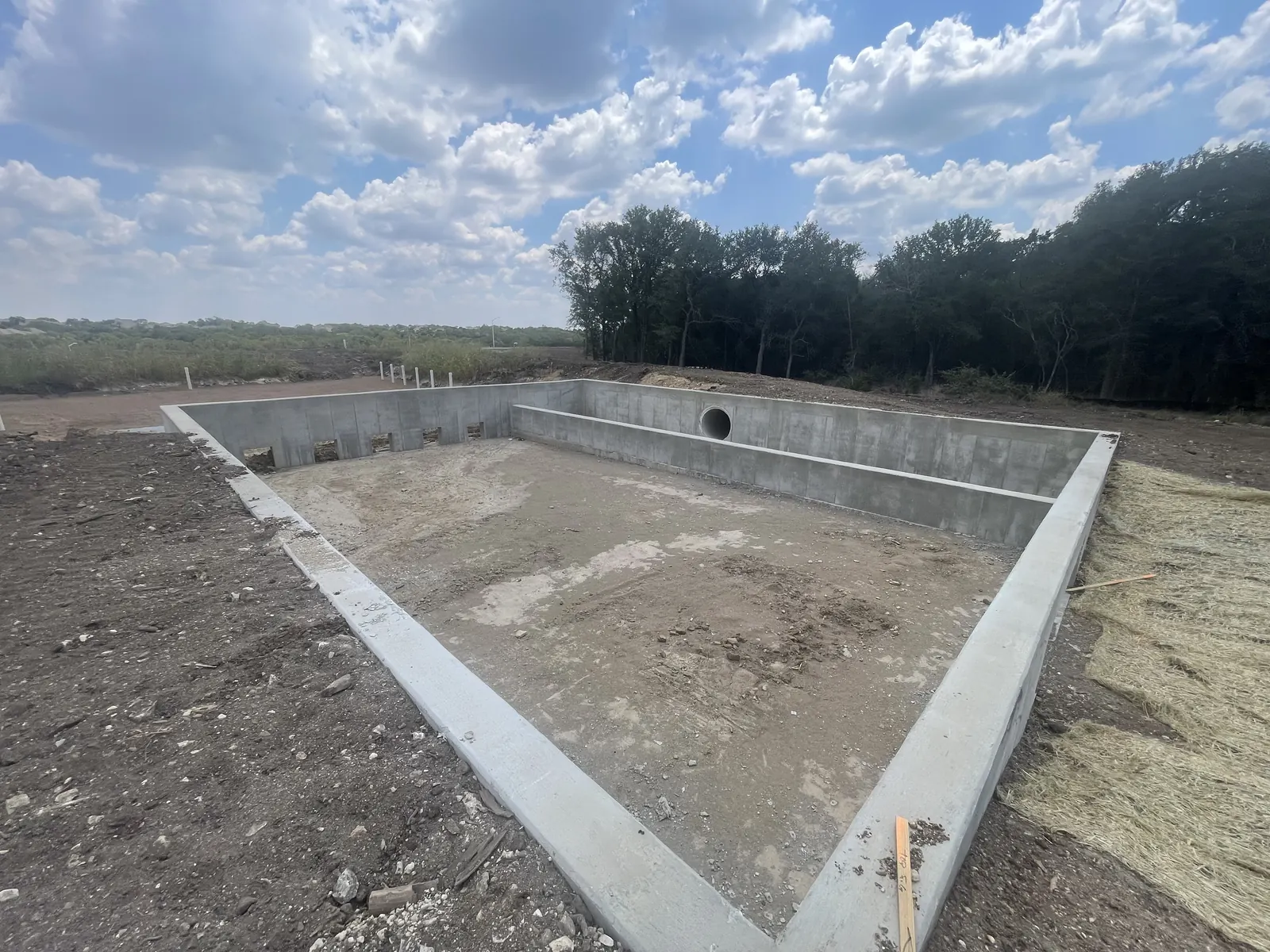
The developer typically funds and builds the infrastructure up front, following plans approved by the district's engineer and the relevant regulators. Once the infrastructure is complete and enough taxable value exists within the district, the district sells bonds and reimburses the developer for eligible costs. The bonds are repaid over time through property taxes paid by the homes and businesses the infrastructure serves.
- Developer advances the cost of water, wastewater, and drainage facilities
- District issues voter approved bonds once value in the district supports them
- Bond proceeds reimburse the developer for eligible infrastructure costs
- Property owners in the district repay the bonds through the district tax rate
What it means for developers and investors
Reimbursement is not immediate and is never guaranteed on a fixed date. It depends on absorption, assessed values, interest rates, and regulatory approvals. A sponsor who understands the process can plan capital around realistic reimbursement timing instead of optimistic assumptions. That is one reason direct experience on a district board is valuable: it shows how decisions are actually made and how long they take.
What it means for homeowners
Residents in a district pay a district tax in addition to county and school taxes, disclosed at the time of purchase as required by Texas law. In exchange they receive utility service and infrastructure in places where no city was positioned to provide it. As the district matures and bonds are repaid, tax rates typically decline, and in many cases a city eventually annexes the area and takes over service.