Five things we look for in a Central Texas land site
Not every parcel in the path of growth is a good development site. These are the questions we answer before we make an offer.
- Author
- Ryan Development Group, Editorial
- Published
- Reading time
- 5 min read
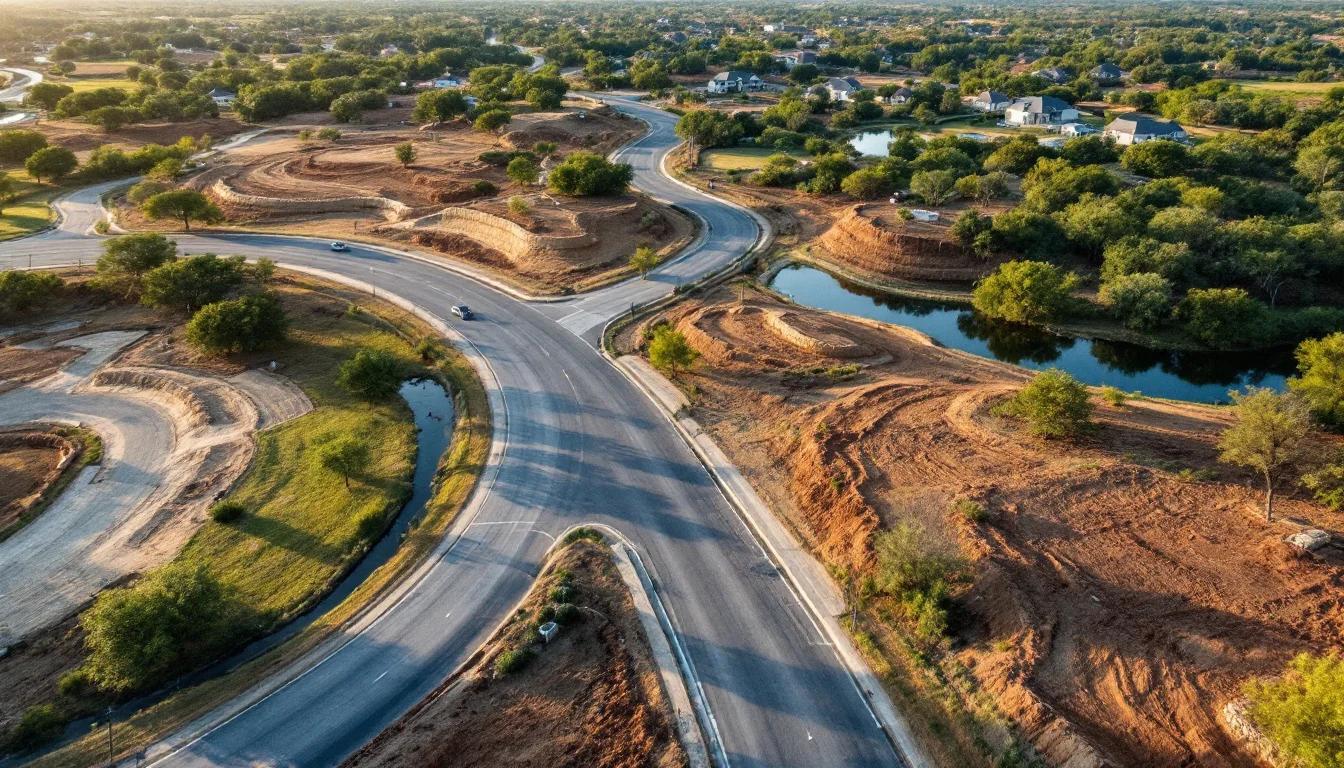
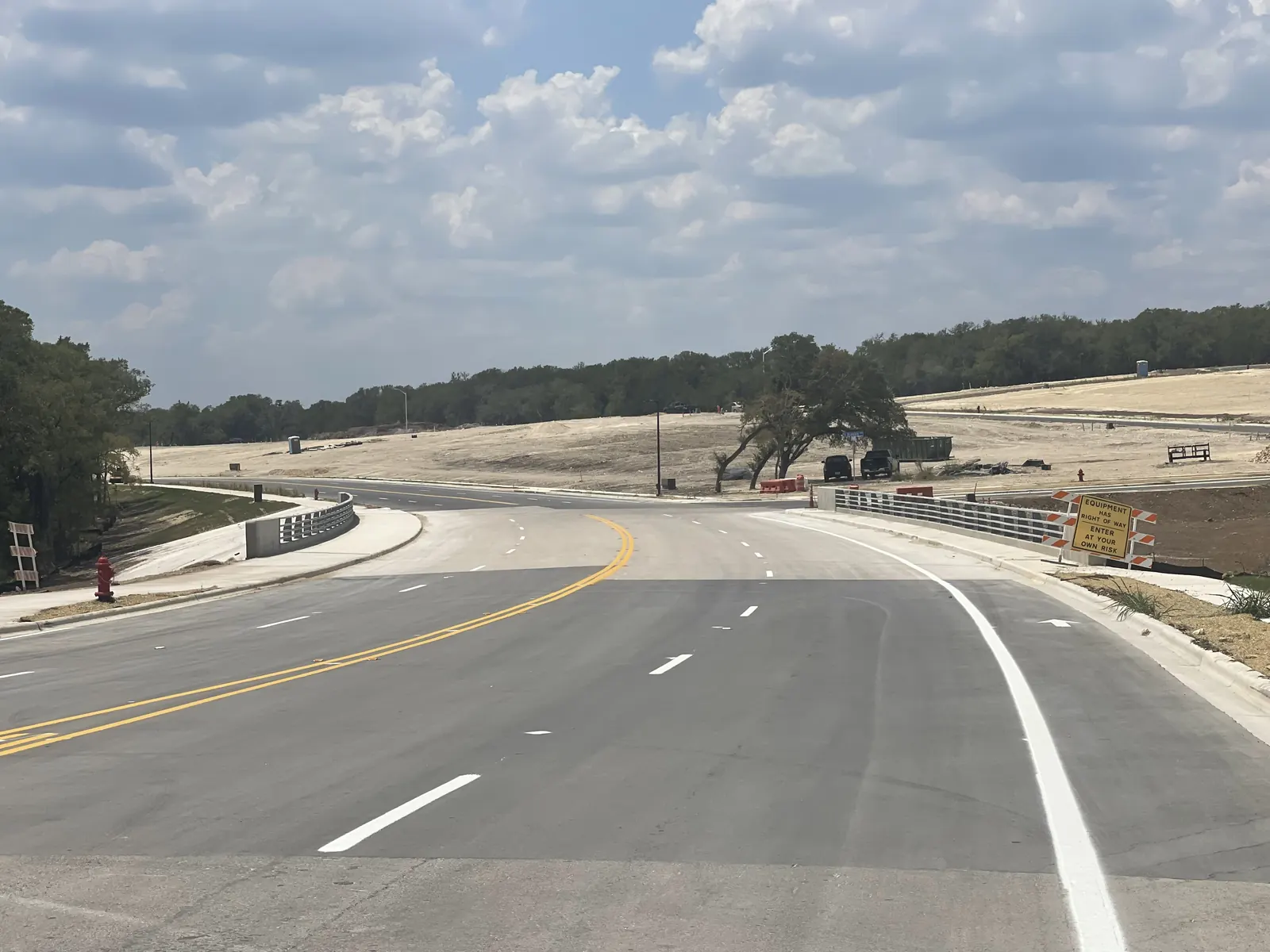
The Austin-San Antonio corridor has no shortage of land for sale. The hard part is telling the difference between a parcel that will become a neighborhood on a sensible timeline and one that will consume years and capital before it does. These five questions guide our evaluation.
1. Is there proven builder demand?
Finished lots need a buyer. We look for submarkets where multiple builders are actively taking down lots, where their products match what the site can produce, and where the pace of absorption supports the phasing we would need. A conversation with the builders who already operate nearby is worth more than any regional statistic.
2. Is there a clear path to utilities and entitlements?
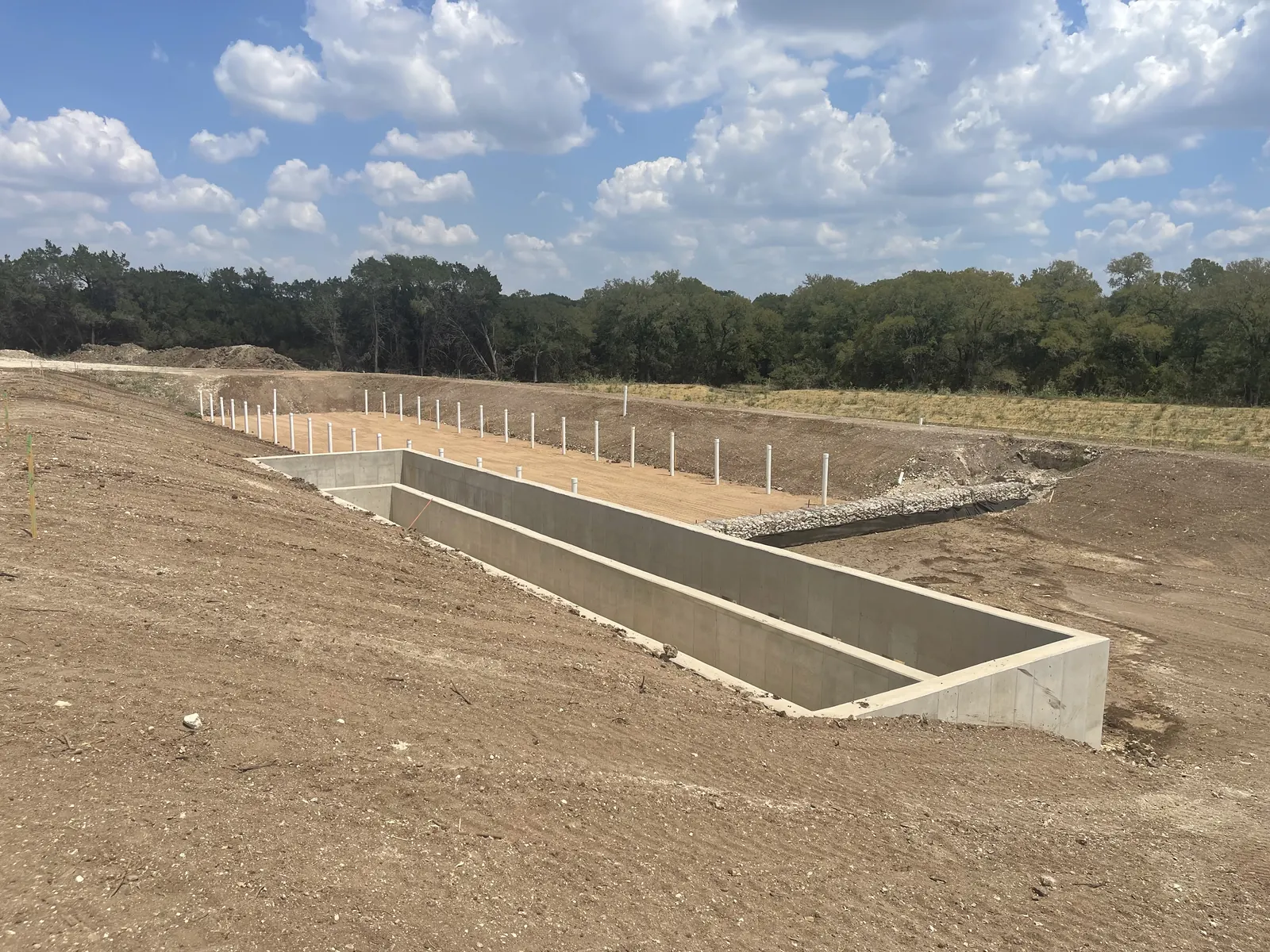
Water and wastewater capacity are the most common constraints in Central Texas. We confirm who will serve the site, how much capacity is actually available, what it will cost to connect, and what approvals are required. On the entitlement side, we want to understand the jurisdiction, the political climate, and whether a utility district, development agreement, or annexation is likely to be part of the structure.

3. What do the site conditions say?
Topography, floodplain, rock, trees, and soils all show up in the budget. A steep or rocky site can still be a good project, but only if the earthwork and retaining costs are priced in from the start. We walk every site and read the geotechnical and environmental reports before negotiating price.
4. Does complexity create the opportunity?
The sites we like best are the ones where infrastructure, entitlement, or capital complexity has kept others away. Complexity we understand is an advantage, because it limits competition and rewards execution. Complexity we do not understand is simply risk.
5. Can the deal be structured to protect the downside?
Finally, we ask whether the acquisition can be structured around the real timeline. Options, phased closings, seller participation, and realistic contingencies all help protect capital while entitlements and utilities are secured. If the only way to make a site work is to assume everything goes right, we pass.